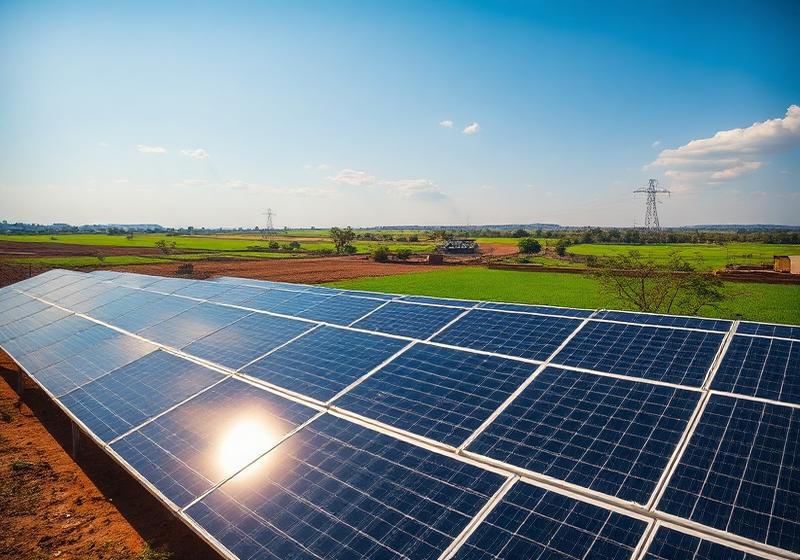

A generation of African engineers, designers and entrepreneurs is no longer waiting for solutions to arrive from elsewhere. Across the continent, they are building payment rails, health platforms and clean energy grids that answer local problems first — and travel remarkably well beyond them.
What has changed is not ambition but infrastructure. Cheaper mobile data, a maturing investor base and a diaspora willing to move capital and expertise home have compressed timelines that once took decades.
Building for constraint, scaling by design
The most durable products emerging from Nairobi, Lagos and Kigali share a trait: they were designed for low bandwidth, intermittent power and cash-heavy economies. Those constraints force an engineering discipline that global markets increasingly reward.
Fintech remains the loudest story, but logistics, agritech and climate adaptation are quietly attracting the more patient money.
“We stopped asking how to copy Silicon Valley and started asking what our own markets actually need.”
What comes next
The bottleneck is no longer talent — it is the connective tissue: regional payment interoperability, predictable regulation and later-stage capital that lets companies stay independent long enough to matter.
If that tissue forms over the next five years, the continent's innovation story stops being a promise and becomes an export.