
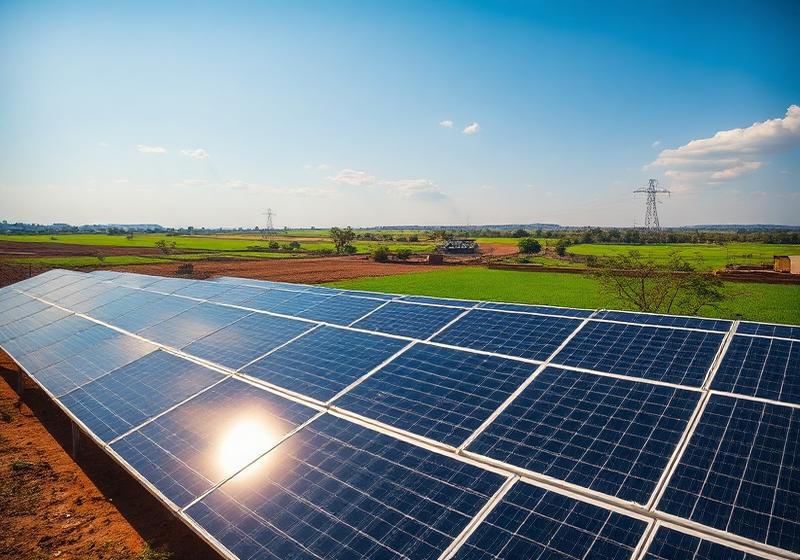
For decades, rural electrification meant waiting for a national grid that never quite arrived. Pay-as-you-go solar has inverted that logic: households buy power in daily increments, and the grid comes to them one rooftop at a time.
The model works because it borrows from mobile money rather than utilities — small payments, mobile wallets, remote shut-off if a customer lapses.
The economics of a single panel
A basic system powers lights, a radio and phone charging. That is enough to extend a working day, keep a shop open after dark and remove kerosene from a household budget.
Larger tiers now run refrigeration and irrigation pumps, which is where the productivity gains — and the repayment reliability — really begin.
“Access is not a lightbulb. It's an extra four hours of income every day.”